Brought to you by Autolane and the AV Coverage Checker.
The lane is changing. Every week we’ll bring you our quick take on what’s moving, what’s stalling, and who’s building the future of autonomous commerce. No fluff, all signal…and we’ll keep it brief.
The Big One This Week
DoorDash Is Buying Instacart for $17 Billion. For Restaurants, Fewer Choices Is Not Good News.
DoorDash announced Thursday that it will buy Instacart for $17 billion, or $65 a share, a 26 percent premium to where the stock traded before the talks leaked. Regulators will have a say, and the two companies run separately until the deal closes. Instacart keeps its brand and its app.
Most of the coverage will focus on groceries. A restaurant owner has a stake too. DoorDash already handles about two-thirds of U.S. food delivery volume, and this adds Instacart’s grocery reach and ad tools to the same company. DoorDash says the goal is to give stores of every size more tools to compete.
Here is the problem for restaurants. Fewer big platforms means less room to negotiate. When one company already handles about two-thirds of food delivery, an owner who walks away from it walks away from a large share of customers. Add a year in which 45 percent of restaurants on third-party apps report no profit on those orders, and consolidation reads more like a squeeze than a favor.
Nobody has shown that fees will rise, and the deal still has to clear regulators. But owners should not wait to find out. The practical move is to line up options that do not depend on any one marketplace, own the customer relationship, and know what each order really costs.
Autolane offers two ways in. Autolane Courier lets a customer order from a restaurant’s own menu and pay the menu price plus a flat $1.99, with no tip. And in Austin, Autolane helps run the autonomous fleet behind TSO Chinese Delivery & Takeout’s deliveries, with Nash deciding which orders go autonomous. 👉 goautolane.com/autolane-courier
AV Roundup
Tesla’s Texas robotaxi fleet passes 1,000. Tesla now has more than 1,000 robotaxis registered in Texas, up from 739 in early October, and Cybercabs now outnumber Model Ys. Registered does not mean every car is carrying riders, but Tesla’s vehicle engineering chief said this week that the Cybercab line is building cars faster than Tesla can put them to work.
Amazon blocked AI shoppers. Walmart let them in. Amazon has been blocking outside AI agents from buying on its site, including Meta’s Muse. This week Walmart went the other way and opened a gateway for approved agents, with customer spending limits and purchase approvals. Restaurants will face the same question soon, which makes it worth watching who gets to place the order.
Waymo adds nearly 250 square miles in five cities. Over the next week Waymo is growing its autonomous service area in Los Angeles, Nashville, Orlando, San Diego, and the Bay Area. New ground includes Torrance, La Jolla, and a BART connection at Berryessa Station, plus a near doubling of eastern Orlando. More territory means more neighborhoods where autonomous vehicles pass a restaurant’s door every day.
The Last 50 Ft Podcast
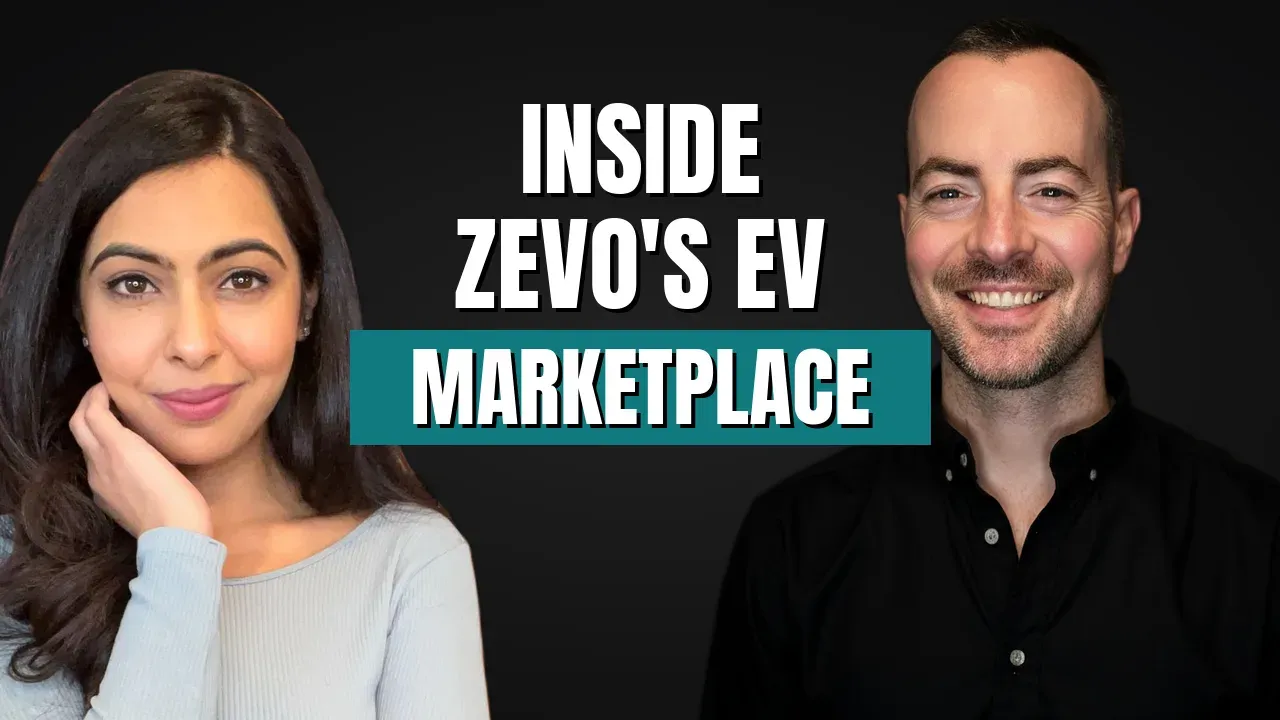
This week on The Last 50 Ft, Cam sits down with Saimah Chaudhry, co-founder of Zevo, an EV car sharing marketplace built for gig workers. Zevo connects directly to Tesla and other automakers for keyless, contactless rentals, and Saimah explains how the platform builds trust between hosts and drivers. She says maintenance is the hardest part of scaling an EV fleet, and she gets into charging, battery health, and what hosts need to know about depreciation and unit economics. She also shares how Zevo sees itself as an infrastructure layer for autonomous vehicles. And yes, there is a story about an animal left in a car and a do it yourself duct tape repair. New episode out Friday. 🎧
👉 Watch on YouTube | Listen on Spotify | Listen on Apple Podcasts 🎧
Autonomous Commerce Brief Take
Three questions came up this week. Who gets to place the order. Who carries it to the door. And who keeps the margin once it gets there.
Amazon and Walmart gave opposite answers to the first one. DoorDash just bought a bigger piece of the second one. The third one is still open, and it is the only one that decides whether a neighborhood restaurant ends up better off.
If you run a restaurant, you do not have to wait for the industry to sort it out. Treat delivery like any other supplier. Get the price in writing, know who answers when something goes wrong, and keep the customer relationship in your own hands.
The lane is changing. Let’s make sure it leads somewhere worth going. 🏁
Join the Autolane Courier waitlist at goautolane.com/autolane-courier