Brought to you by Autolane and the AV Coverage Checker.
The lane is changing. Every week we’ll bring you our quick take on what’s moving, what’s stalling, and who’s building the future of autonomous commerce. No fluff, all signal…and we’ll keep it brief.
The Big One This Week
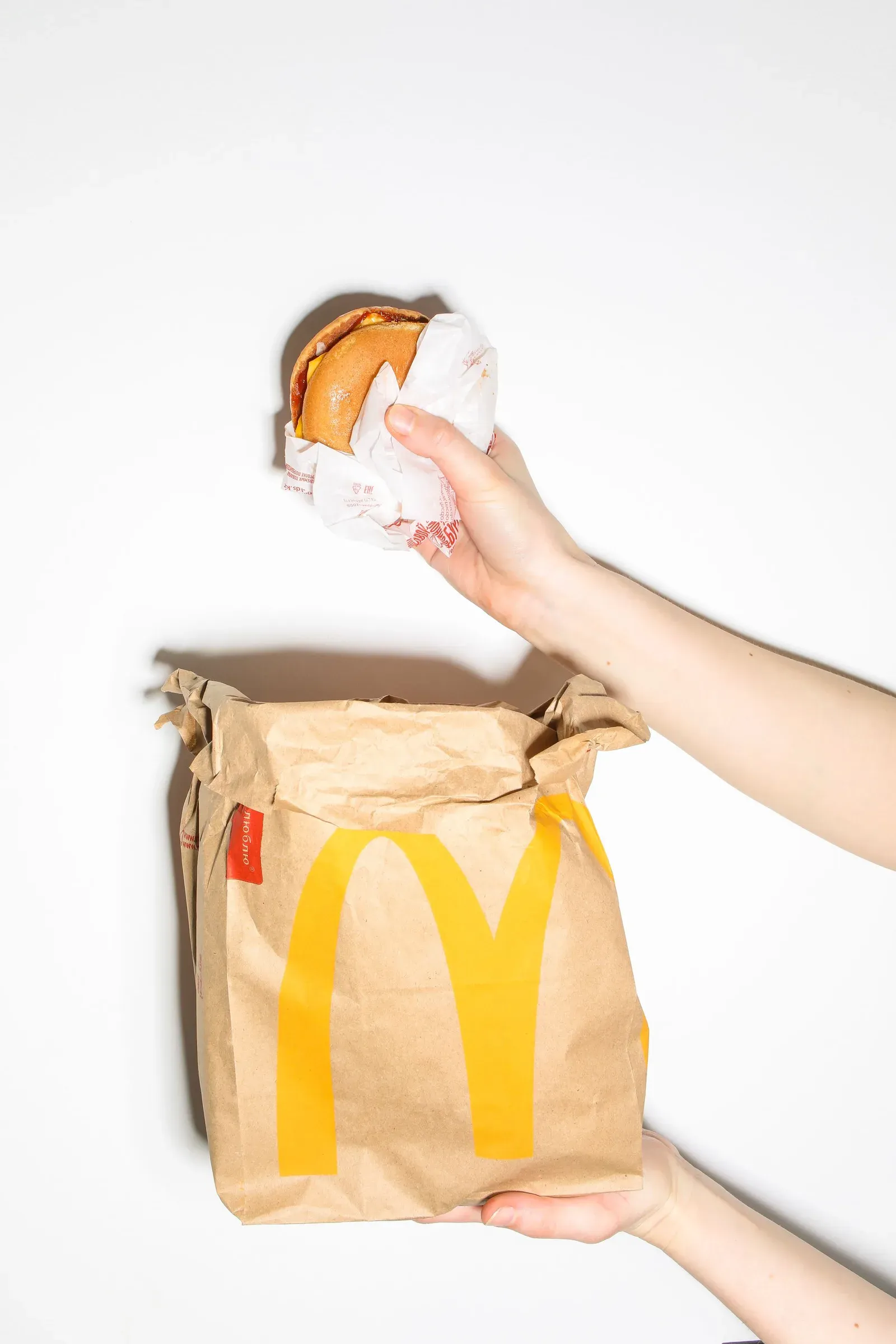
McDonald’s Moved Delivery Into Its Own App. Any Restaurant Can Borrow the Playbook.
McDonald’s and Uber announced a multi-year expansion on Monday. In 14 markets, including the U.S., orders placed in the McDonald’s app will go to Uber as the preferred delivery partner, mostly through its white-label service, Uber Direct. The customer orders from McDonald’s, tracks the order inside McDonald’s app, and Uber handles the drive. McDonald’s stays on Uber Eats and DoorDash too.
The numbers explain why. McDelivery is a business of more than $20 billion a year, and McDonald’s has more than 45 million loyalty members in the U.S. alone. A brand that size does not want to rent its customers. It wants to own the relationship and hire someone for the last stretch.
That is a big-chain move, but the idea fits a one-location kitchen. When a customer orders from your own menu, you see who they are, you set the price, and you decide who delivers. When they order through a marketplace, the marketplace sees all of that first.
Nobody is telling restaurants to leave the apps. They still bring new diners through the door. The smarter play is the one McDonald’s is making at global scale. Use every channel for reach, and give your regulars a front door of your own.
Autolane Courier is built for that. A customer orders from the restaurant’s own menu and pays the menu price plus a flat $1.99, with no tip. And in Austin, Autolane runs the autonomous fleet behind TSO Chinese Delivery & Takeout’s deliveries. 👉 goautolane.com/autolane-courier
image source: Autolane
AV Roundup
Tesla Robotaxi opens in San Antonio with its biggest day-one zone yet. Rides began at 5 a.m. Monday across roughly 275 square miles, covering most of the city inside Loop 410. It follows Fort Worth on Nov. 2, and Tesla has said Cybercab expands to Dallas this month.
Zipline raises $1.5 billion as Walmart adds 300 drone sites. The round values Zipline at $21.5 billion, nearly triple its January mark. The two run 21 sites today, so the new deal is a big jump.
A Costco hot dog combo now delivers for $18. No Tip, a Southern California startup not affiliated with Costco, sends runners into food courts and charges $18 for the $1.50 combo and $30 for a pizza that costs $9.95 in the warehouse. Founder Jack Chen says it is mainly for catering, but the lesson is simpler. When people really want something, they will pay well to have it brought to them.
This Week on LinkedIn
What Will Cities Actually Do About Autonomous Vehicles?
Michael Hurwitz, a partner at PA Consulting, put that question to his network on LinkedIn, and his first example was Philadelphia’s proposed robot tax. Bill 260927, introduced Oct. 29, would charge 5 percent or $0.50 per autonomous delivery, whichever is higher, and 5 percent or $1.00 per robotaxi ride. It is a proposal, not law, and would start in 2028 if passed. City officials may never master the engineering behind safety-critical autonomy, but they know the policy levers they control, and they know what kind of city they want.
He expects to see dynamic caps on robotaxi fleet sizes, per-mile road and congestion charges, accessibility mandates and penalties for vehicles that run empty, among other tools.
For a restaurant owner, the takeaway is practical. Rules on who can operate, where and at what price will shape how delivery reaches your neighborhood, and they will differ from city to city. Your city council is where those decisions get made, so it is worth knowing what they are reading.
👉 Read Michael’s post and tell him what you would add to the list.
The Last 50 Ft Podcast
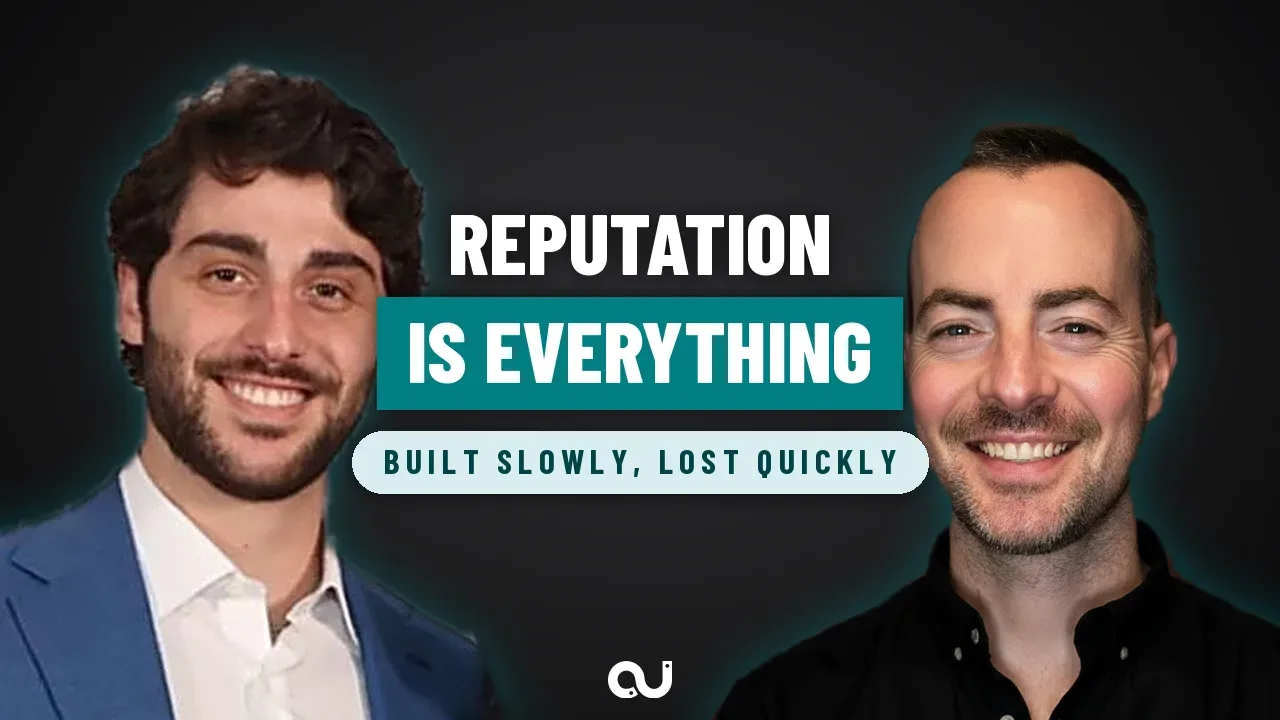
This week on The Last 50 Ft, Cam sits down with Cole Potamkin, CEO of Potamkin Companies and head of Hyundai’s largest dealer group in the US, with 14 dealerships. Cole explains why autonomous vehicles replace rideshare and the second car, not the car you own, and what Waymo at $4 a mile looks like next to $800 a month of ownership. He also talks about why reputation is everything in the car business, and how a dealer earns it one customer at a time. He even says why he is betting on Autolane. 🎧
👉 Watch on YouTube | Listen on Spotify | Listen on Apple Podcasts 🎧
Autonomous Commerce Brief Take
Cole Potamkin said reputation is everything in the car business. It is the same on your block.
McDonald’s built its delivery plan around that idea. Its own app comes first, and the delivery partner works behind it. Zipline and Walmart are doing the same thing with their own sites. Everyone with a name worth knowing is making sure customers can find them directly.
If you run a restaurant, that is your cue. Keep every channel that sends you hungry people, and keep a direct line of your own. A guest who knows your name and your menu will find you again.
The lane is changing. Let’s make sure it leads somewhere worth going. 🏁
Subscribe to the Autonomous Commerce Brief at goautolane.com/newsletter-signup
Join the Autolane Courier waitlist at goautolane.com/autolane-courier