Issue #009
The Autonomous COMMERCE Brief
April 30, 2026
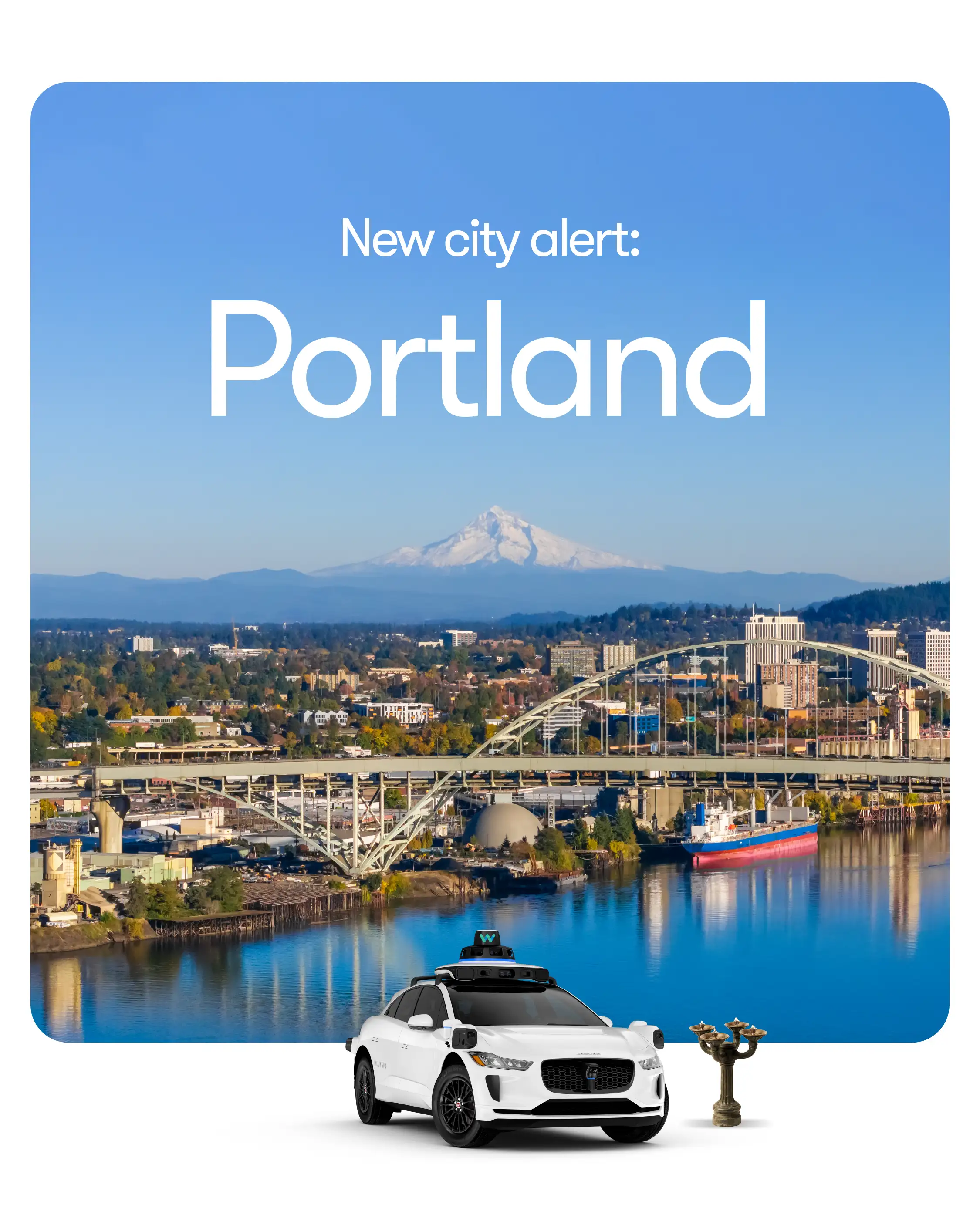
THE BIG STORY: Waymo Just Knocked on Portland's Door. The City Doesn't Know What to Do.
On April 28th Waymo officially announced it is coming to Portland, Oregon. Mapping vehicles are already on the streets. And the city is in a full regulatory scramble trying to figure out what to do about it.
This one is worth paying attention to because it is the clearest example yet of how fast the AV industry is moving versus how slow local governments are reacting. Oregon House Bill 4085, which would have given Waymo a clear legal path to operate statewide, died in committee earlier this year. The Portland City Council has been openly resistant. Councilor Angelita Morillo said she could not be convinced in any way to allow autonomous vehicles in the city. Council President Jaime Dunphy said the city is a long way from welcoming AVs.
Waymo did not wait for permission. The company began manually driving its vehicles on Portland streets this week to map the city's roads, bridges, and corridors. Here is the key legal detail: because a licensed human driver is behind the wheel, Waymo does not need a city permit to do this. Portland has no regulatory ability to stop them at this stage.
Waymo currently operates in 11 US cities and has begun testing in 21 more. Portland and Seattle are both listed as coming soon on their official expansion map.
The Autolane angle: Every city that resists AVs is actually just delaying the infrastructure conversation. Portland will eventually need to answer the same question every other city is now asking. When these vehicles arrive at a property, a curb, a retail destination, what happens next? The cities that build the answer now win. The cities that keep saying not yet will be scrambling to catch up.
Image Source: Waymo
AV ROUND UP
DoorDash took a board seat and invested in Also, the Rivian spinoff, as part of a $200 million Series C. Also will develop purpose-built autonomous delivery vehicles specifically designed for roads, bike lanes, shoulders, and curbsides. Their words: those spaces are the hardest part of the last-mile delivery puzzle. Sound familiar?
Uber launched Uber Autonomous Solutions this week, a full commercial suite giving AV partners access to Uber's demand marketplace, fleet management, regulatory support, and mission control. The company has signed agreements with more than 20 AV developers. The infrastructure platform play is becoming the industry playbook.
Europe is moving. Multiple European cities are accelerating AV regulatory frameworks with deployment timelines that are starting to look a lot like the US in 2024. The global race is officially on.
SPOTLIGHT: The Last 50 Feet Just Came to West Midtown Atlanta
Two Autolane Smart Curbside Zones are now live at Westside Provisions District in Atlanta. One next to Shake Shack. One at the north parking lot entrance near Design Within Reach.
In the first week since going live on April 21st, WSPD recorded 63 sessions with 97% Waymo pickups. The adoption was immediate.
Jay Richard-Yu, VP of Technology and Innovation at Jamestown, put it simply in his announcement: this is what the future of arriving at their properties looks like. No parking stress. No curb chaos. Step out of a self-driving car and walk straight into your favorite spot.
Zoox is now piloting autonomous vehicles in Atlanta too. The timing could not be better.
Go see it yourself. Tag us when you do. 👉 @goautolane
SIGNALS TO WATCH
The Portland story is the regulatory blueprint to watch closely. Waymo is not asking for permission to map streets. It does not need to. The legal framework gives cities far less control over the early stages of AV deployment than most local officials realize. By the time Portland figures out its permit rules, Waymo will already know every bridge and corridor in the city.
DoorDash and Also building purpose-built autonomous delivery vehicles from the ground up is a meaningful shift from the industry's previous strategy of retrofitting existing cars. Purpose-built means optimized for the curb, for frequent stops, for urban density. That is the infrastructure conversation Autolane has been having with property operators for two years.
Uber Autonomous Solutions is a direct signal that the infrastructure layer is where the real value in autonomous commerce gets captured. Not the vehicle. Not the app. The layer that makes it all work when the vehicle arrives. Every major platform in the space is now trying to own that layer.
The cities moving fastest are the ones that decided the regulatory question is less important than the economic opportunity. Atlanta, Austin, Phoenix. All three are Autolane markets. That is not a coincidence.
THE LAST 50 FT
Episode 4 is live on Spotify. Ethan McKanna, the 18-year-old behind robotaxitracker.com, joined Ben and Cam to share his prediction that some cities will ban human driving entirely within 5 years. Ben's dad said he would rather be dead than lose the right to drive. Ben also compared gun control to AVs.
It is a good one. 🎧 Listen Now
THE AUTOCOMM BRIEF TAKE
Portland said not yet. Waymo started mapping anyway.
That is the story of the AV industry in 2026 in a single sentence. The technology does not wait for consensus. It waits for permits and then it shows up.
The property operators, retailers, and cities that have spent the last two years building the infrastructure to receive these vehicles are going to look very smart very soon. The ones waiting for the industry to slow down long enough to catch up are going to find themselves in the same position as Portland's city council. Scrambling to write rules for something that is already on their streets.
The last 50 feet is not a future problem. It is a right now problem. And the window to get ahead of it is closing faster than most people think.
The lane is changing. Let's make sure it leads somewhere worth going. 🏁
coverage.goautolane.com