Issue #028
The Autonomous COMMERCE Brief
September 10, 2026
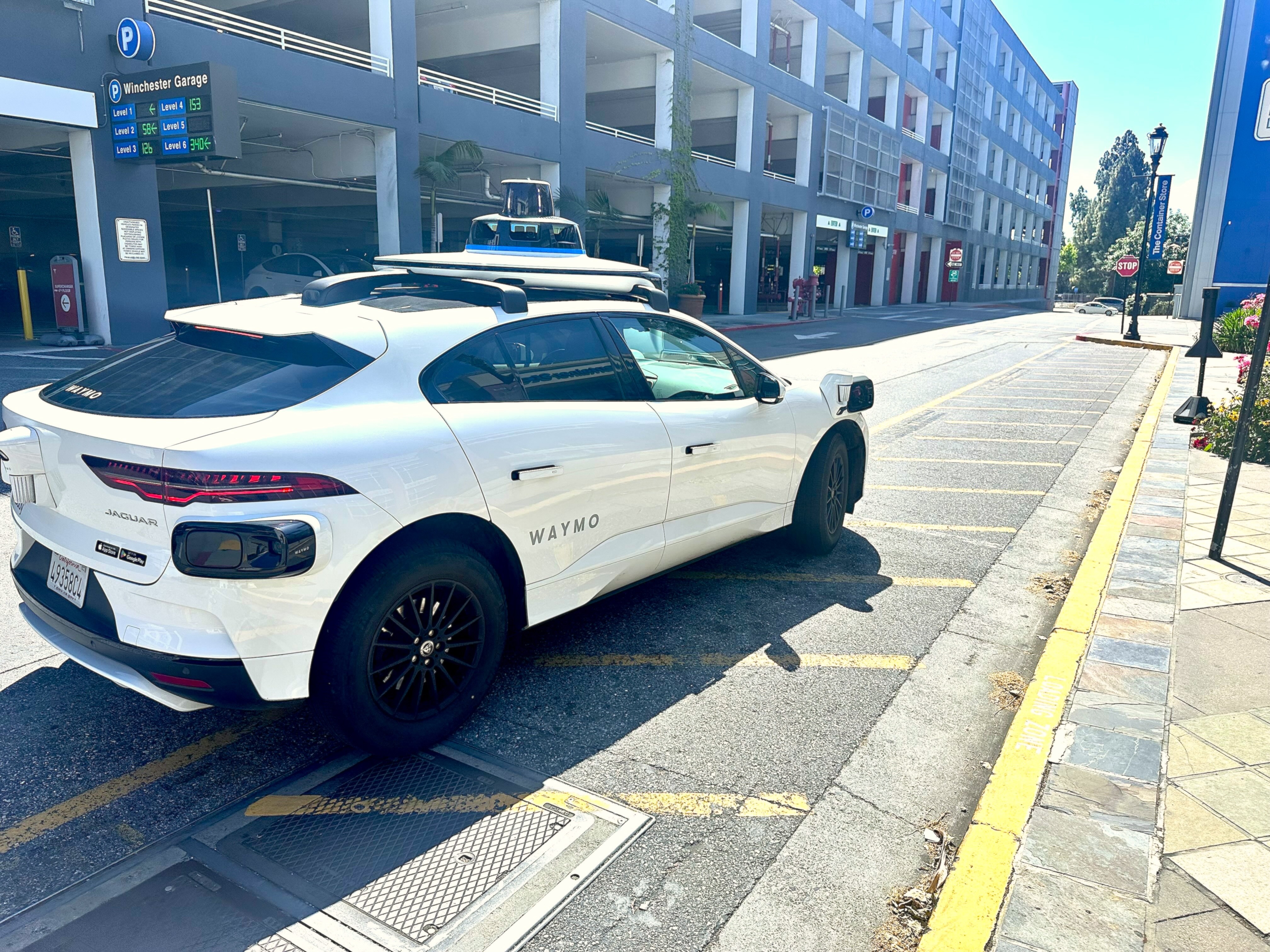
THE BIG STORY: Waymo's Curb Bill Just Became A Public Number, And It's Nearly $1 Million
Waymo racked up more than 8,300 parking citations in San Francisco between January 2025 and July 2026, adding up to almost $957,000 in fines. In 2024, the same fleet picked up 589 tickets total. That is not a rounding error. That is a line item.
Most of the citations were for parking in restricted zones, plus a mix of blocking traffic, double parking, and sitting in bike lanes. The vehicles can read a stop sign perfectly and still have no idea where they are actually allowed to sit for ninety seconds while a rider climbs in. Every stop becomes a choice between conservative and frustrating or convenient and illegal, and there is no dispatcher in the car to make the call.
One robotaxi making that call badly is a rounding error for a city. Fourteen hundred of them making the same call several times a day is a budget line at city hall and a story in the local paper. Scale does not average the exceptions out. It multiplies them.
Traffic engineers are already pointing at the fix, and it is not smarter software alone. It is machine readable curb infrastructure and loading zones built for the fleets that are already operating, not the ones the city was designed around fifty years ago.
None of this is San Francisco's problem to solve by itself. Every property, every drive-thru, every retail lot an AV already pulls into is running the same math in miniature. A curb built for one kind of traffic is now absorbing another kind, and nothing is telling any of the vehicles exactly where to go.
This is the exact gap Autolane exists to close. A property running on Autolane already knows which AV is arriving, when, and exactly where it is supposed to stop, so the five figure fine never happens in the first place. That is the whole job.
Image Source: Autolane
AV ROUND UP
Uber And Wayve Just Put London's First Robotaxi On The Road. Uber and British AI firm Wayve launched the UK's first self-driving taxi service this week, running under twenty vehicles with a safety driver still behind the wheel while regulators work out full driverless approval. A property that has already mapped its curb for one AV fleet is not starting from zero when the next one shows up on a different continent.
Walmart Just Added Dunkin' To Its Delivery App. Walmart expanded its restaurant delivery lineup to include Dunkin' this week, pushing quick-service orders further into territory retail used to have to itself. Every new brand on a delivery app is one more vehicle that eventually needs somewhere specific to stop.
Tesla Confirmed Robotaxi Is Headed To More U.S. Cities. Tesla laid out plans to keep expanding Robotaxi service beyond Austin, with Dallas, Miami, and Las Vegas among the next markets named. A property that already has a system for one Tesla fleet will not be relearning the basics when the next one rolls into town.
THIS WEEK ON LINKEDIN: A Mobility Veteran Says Tesla's Real Product Isn't The Ride
Nicholas Hill, who has been around shared mobility since before Uber or Lyft existed, argued this week that Cybercab's significance has nothing to do with Tesla building the safest or best autonomous vehicle. His read: Tesla outsources the hard, messy parts, hiring, cleaning, liability, and keeps the parts with predictable revenue: vehicle sales, charging, mobility subscriptions, FSD fees. The product isn't the ride. The product is the license to sell the ride, closer to a franchise model than a taxi company.
He also flagged the part that should matter most to anyone managing a curb. Most of the operators who buy into that franchise are going to struggle with the day to day of actually running it, whether that means the ops load or the lawsuits that follow a bad outcome.
That is the piece worth sitting with. A franchise model does not multiply operational competence. It multiplies the number of vehicles, and the number of undercapitalized operators running them, that a property has to coordinate around. Tesla owning the platform does not mean Tesla is standing at the curb making sure the car stops in the right spot. Someone still has to do that, and it will not always be someone with a system for it.
Read Nicholas Hill's full post on LinkedIn
THE LAST 50 FT
Episode 19 is next up: Garrett McCurrach, founder and CEO of Pipedream Labs, joined Cam this week. Pipedream is building an underground delivery network that moves orders on autonomous robots instead of trucks, essentially a hyperloop for QSR orders, with its first tunnel already running in Austin and Dallas next on the map. Worth a listen for anyone rethinking what "last mile" looks like once part of it runs below the parking lot. 🎧
Listen on Spotify
Listen on Apple Podcasts
Listen on YouTube
THE AUTOCOMM BRIEF TAKE
Nearly a million dollars in parking tickets is not a scandal. It is a receipt. It is proof that the curb problem we have been describing to property operators for two years now shows up as a real number on a real spreadsheet in San Francisco, and that number only grows as more fleets, supervised or not, start pulling up to more addresses.
London getting its first robotaxi this week with a driver still in the seat is not a step behind. It is a reminder that this rolls out at different speeds in different places, and the operators building for the destination instead of today's stage of approval are the ones who will not have to redo the plan twice.
The retailers and REITs treating their curb, their last 50 feet, like infrastructure right now are the ones who won't end up in a headline about a blocked entrance, a backed-up drive-thru, or a near miss in their own parking lot. The ones waiting are about to find out what that headline could cost them.
The lane is changing. Let's make sure it leads somewhere worth going. 🚦
coverage.goautolane.com
Subscribe to the Autonomous Commerce Brief: goautolane.com/newsletter-signup