Issue #21
The Autonomous COMMERCE Brief
July 23, 2026
THE BIG STORY: I Delivered Food With A Walkie Talkie In 2007. This Month I Supervised The Same Job Done Autonomously.
Hamei Hamedi, a member of the Autolane operations group, recently served as a field supervisor for the Tso Chinese Takeout & Delivery launch in Austin. The following account, in Hamei's own words, captures the shift from the driver's seat.
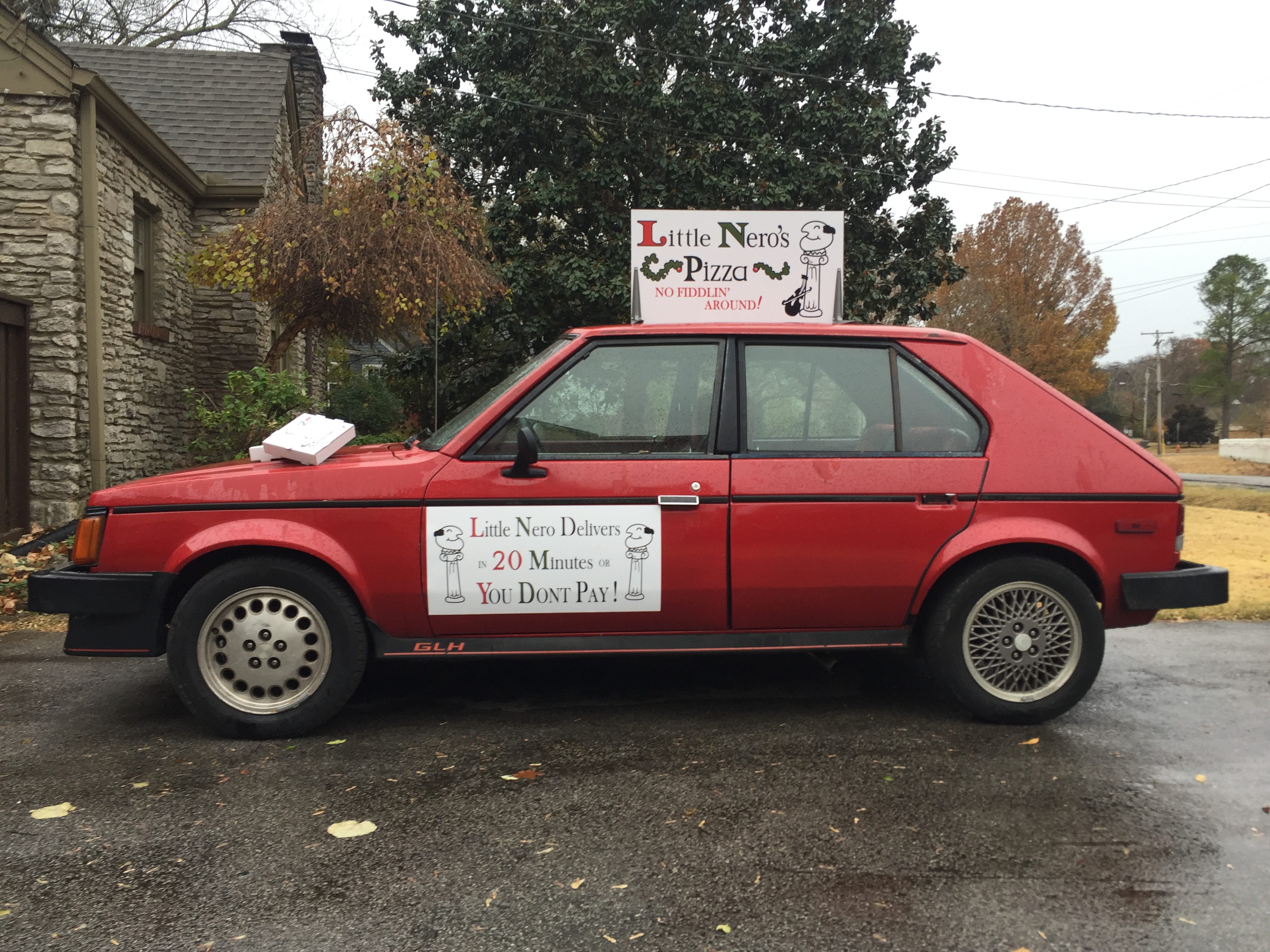
Back in 2007, during my college days, I was a delivery driver for a food delivery company. I drove for restaurants around town and checked in for my shift on a long-distance walkie talkie. Almost twenty years later, I found myself back in that same seat, and it struck me how much had changed while so much had stayed exactly the same. I was still waiting for an order to be dispatched so I could deliver food to somebody somewhere. I still put on the illuminated window sign, checked in with the store, made sure the vehicle had enough fuel to make it through the shift, and stretched before settling in for hours of orders trickling in one after another.
But the differences showed up everywhere I looked. Gone was the fax machine spitting out orders at the pickup spot. Gone was the squinting at printed directions, trying to figure out which turn came next. Gone was the real chance I would get lost somewhere unfamiliar on the way to a customer's door. Gone, too, was the risk of driving tired late at night trying to squeeze in one last order before calling it a shift, replaced now by FSD, which can spot a couple crossing the street at night before I would have back in the day. Even the boredom between orders looked different. Instead of staring out the windshield, I was playing games on a Tesla screen or scrolling for a new playlist.
The customer's experience has changed just as much. They can now track the car in real time, watching it turn down their street instead of just hoping the driver knew the way, and they can choose autonomous delivery outright if that is what they want. Sitting in the seat as supervisor for the Tso Chinese Takeout & Delivery launch put me right back where I started almost two decades later, and it gave me a front row view of just how far this job, and this industry, has come.
Twenty years apart, same seat, same shift, but almost nothing else is the same. That gap, from squinting at printed directions to a car that already sees the crosswalk, is the entire case for autonomous delivery, told from one supervisor's afternoon instead of a pitch deck.
AV ROUND UP
Washington Is Writing The Broadest AV Safety Rules Yet. Federal transportation officials are advancing a rulemaking effort that would set national safety standards, require more reporting on crashes and operational failures, and give regulators more authority to investigate incidents directly. Industry groups are largely welcoming it, since one national standard beats a patchwork of state rules.
San Francisco's Mayor Wants The City, Not Just The State, Policing Robotaxis. After a string of traffic disruptions involving one autonomous vehicle company, Mayor Daniel Lurie is pushing state lawmakers to give cities more direct enforcement power over how AVs operate on local streets. It is the clearest sign yet that the regulatory fight is not just federal versus state anymore, it is federal versus state versus city.
Zoox Recalled Its Fleet Over A Smoke Detection Bug. The voluntary recall targets an onboard monitoring issue, not the driving software itself, and no injuries or fire incidents have been reported. Zoox is pushing a fix before expanding commercial operations, a reminder that AV safety now covers dozens of onboard systems, not just how the car drives.
Tesla's Robotaxi Missed Its Own Targets Again, And Shareholders Said So On The Earnings Call. Tesla posted record Q2 revenue of $28.2 billion on Tuesday, but operating profit fell 57 percent and free cash flow went negative for the first time in years. Robotaxi is now live in seven US markets, up from Austin alone, but that is still short of the 50 percent US coverage Tesla promised by the end of 2025, and shareholders used their top earnings questions to ask why. Musk also confirmed again that Hardware 3 cars, the ones Tesla sold for years as fully capable of unsupervised self driving, still cannot get there.
THE LAST 50 FT
This week on The Last 50 Ft, Producer Kyle stepped out from behind the scenes again to lead the conversation alongside Ben for a very special episode. Michelle Kwok from Draper VC joined as the first female guest in the show's history and the energy was immediately different.
The conversation went from artificial wombs and limb regeneration to kazoo guitar duets, vanilla ice cream preferences, and why a kid's movie called Meet the Robinsons perfectly captures the Draper investment thesis. Then Ben went somewhere unexpected. A fully autonomous library delivery system. Meals on Wheels with no delivery cost. A farmer selling directly to your door. What happens to the price of everything when transportation costs drop by 90 percent?
Oh and an ice cream delivery showed up mid-recording, completely unplanned and absolutely perfect timing. Although the flavor was vanilla, this episode was anything but.
Listen on Spotify, YouTube, and Apple Podcasts
THE AUTOCOMM BRIEF TAKE
Twenty years in the same seat is one way to see how far this industry has come. What changed between that walkie talkie and this Tesla was not luck, it was infrastructure built to track every order, every pickup, and every incident by design. That is exactly the kind of answer Washington's new reporting bar is about to start asking every operator for. Whoever is still treating any of this as a future problem is behind.
The lane is changing. Let's make sure it leads somewhere worth going.
Subscribe to the Autonomous Commerce Brief: goautolane.com/newsletter-signup